




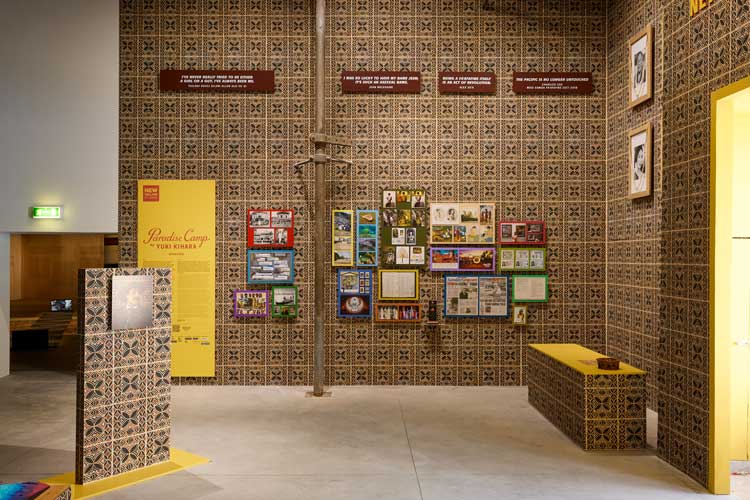
The artist Yuki Kihara (b1975), who is of Japanese and Samoan descent, brought some tropical sunshine and more than a flash of gender political heat into the gloomy depths of Venice’s Arsenale, with a presentation that foregrounds queer rights, small island ecologies and decolonisation, among other hot topics.
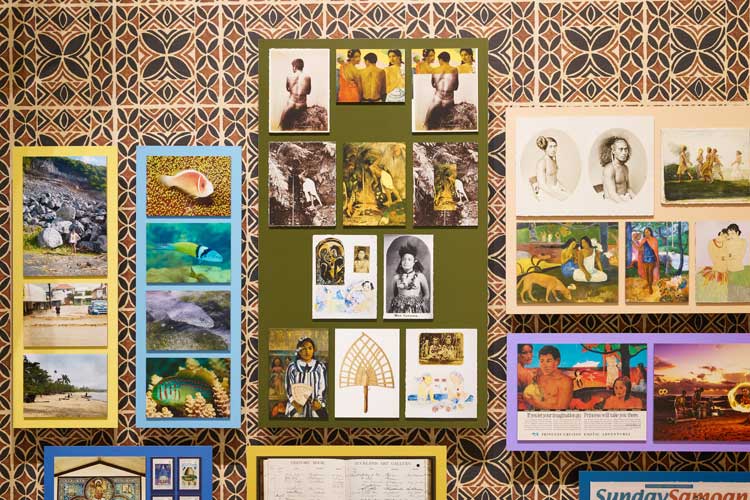
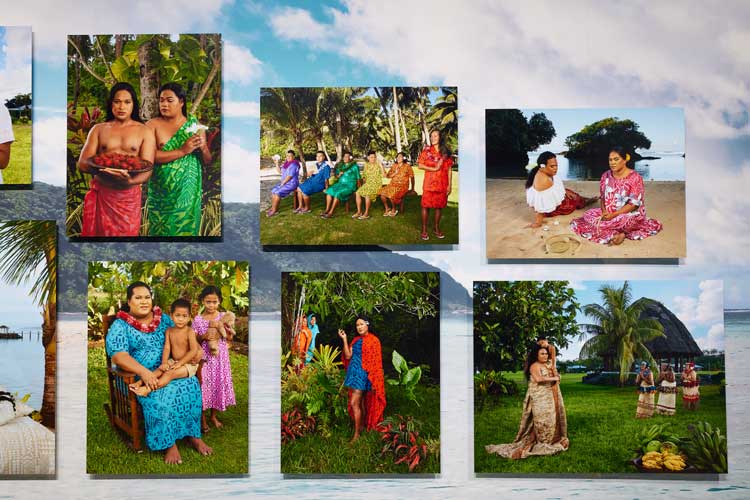
As the first artist to represent New Zealand in Venice who identifies as Pasifika, Asian and fa’afafine (Samoan for someone who is born male but presents “in the manner of a woman”), Kihara is pulling no punches. Her installation, Paradise Camp, was inspired by an essay by Ngahuia Te Awekotuku that was presented at a Paul Gauguin Symposium in 1992, at the Auckland Art Gallery, drawing attention to the sexual ambiguity of some of the characters so vividly evoked by Gauguin. Kihara has repaid the compliment by staging photos inspired by Gauguin’s Tahiti paintings, using sites and people of Samoan origin, to reflect those similarities and celebrate Gauguin’s recognition of non-western and non-binary beauty.
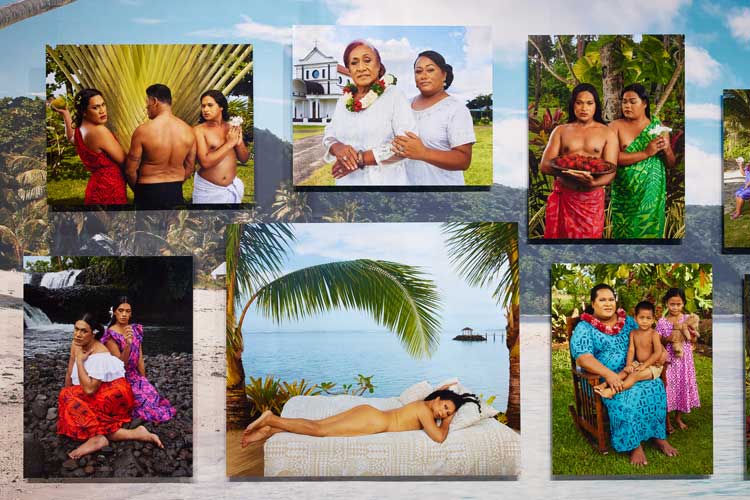
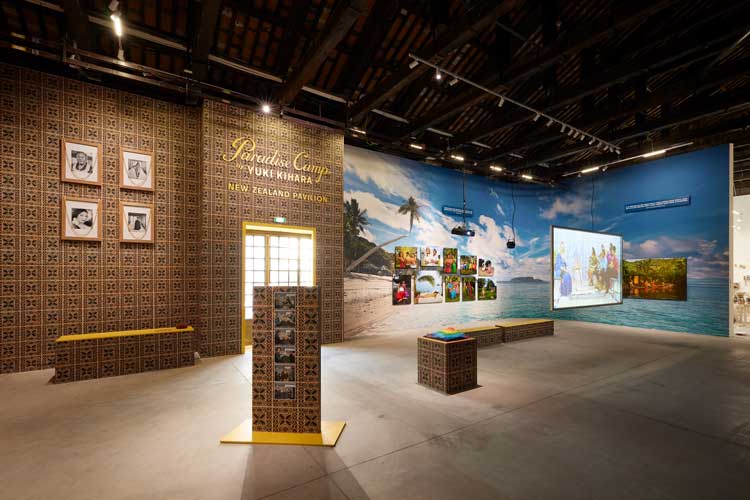
Yuki Kihara, Paradise Camp, curated by Natalie King. Installation view, New Zealand Pavilion, Venice Biennale, 2022. Photo: Luke Walker.
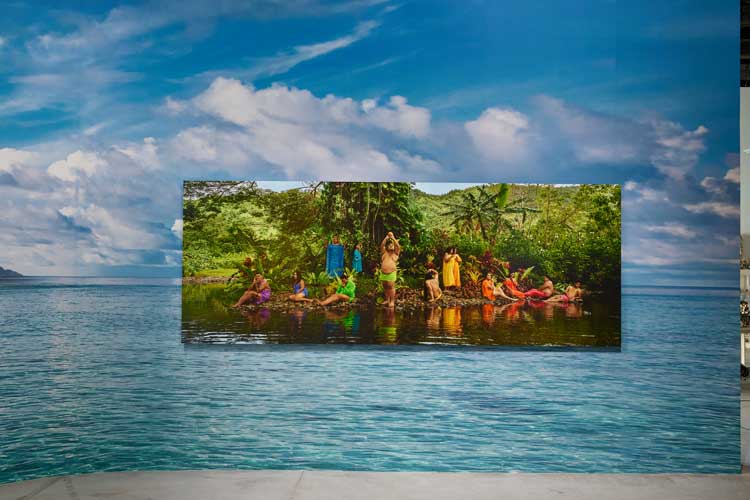
These are on show in Venice, as is a new film, also called Paradise Camp. Shot on location in Upolu Island, Samoa, it features a local cast and crew, mostly drawn from the the fa’afafine community, and its various chapters include one segment that playfully interrogates indigenous v colonial attitudes to art and culture, featuring a group of “ordinary Samoans” who end up mocking and deconstructing the kind of white cultural tropes that are taken for granted in Europe, but are unfamiliar in Samoan art education.
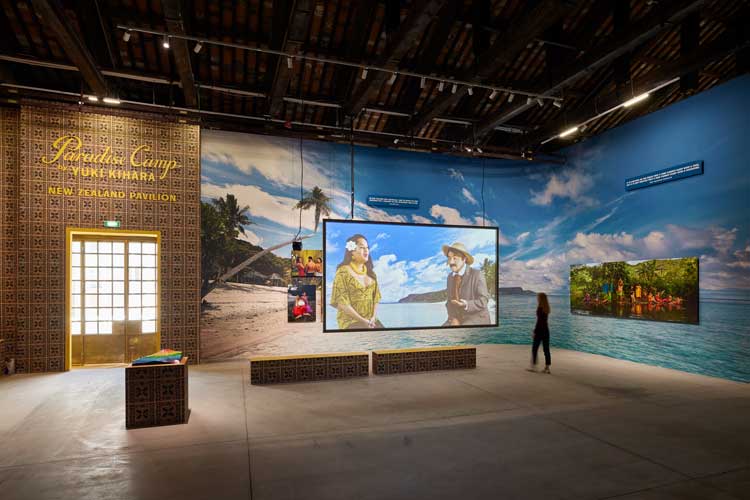
Yuki Kihara, Paradise Camp, curated by Natalie King. Installation view, New Zealand Pavilion, Venice Biennale, 2022. Photo: Luke Walker.
Kihara, who works across photography, film, performance, curation and installations, studied fashion design at Wellington Polytechnic (now Massey University). While she was still a student, the national museum of New Zealand, Te Papa Tongarewa, purchased a work of hers, a rare accolade. The work was Graffiti Dress – Bombacific, which blended 26 T-shirts featuring corporate logos into one fabulous creation. In 2008, she had a solo show at the Metropolitan Museum of Art, New York. Entitled Living Photographs, it explored the exotic poses and tableaus captured by 19th-century colonial and non-indigenous photographers, such as Thomas Andrew and Alfred John Tattersall, which had helped to spread inaccurate stereotypes about Pacific islanders and their culture, many of which still prevail.
Kihara’s work is now in the MoMA collection, the Te Papa Tongarewa Museum, Queensland Art Gallery & Gallery of Modern Art, Los Angeles County Museum of Art, the British Museum and Kaohsiung Museum of Fine Arts, Taiwan.
Yuki Kihara: Paradise Camp
New Zealand Pavilion, Arsenale, Venice
23 April – 27 November 2022
Interview by VERONICA SIMPSON
Filmed by MARTIN KENNEDY

Click on the pictures below to enlarge
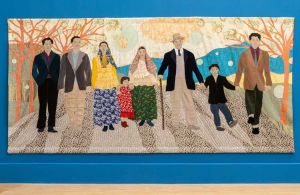
Histories of erasure, displacement, annihilation and colonisation are told with power, subtlety, cla...
-(8)-300.jpg)
Hurvin Anderson’s paintings, which here stretch across his career, blend his British and Caribbean...
-(c)-DACS,-London,-2026-and-Chiharu-Shiota.-300.jpg)
Chiharu Shiota: Threads of Life
Chiharu Shiota’s immersive web-like installations, fashioned from coloured thread and found object...
-(c)Rob-Battersby-6-1000-300.jpg)
Paul Eastwood, who is dyslexic, attempts to explore neurodiversity and the complexities of language,...
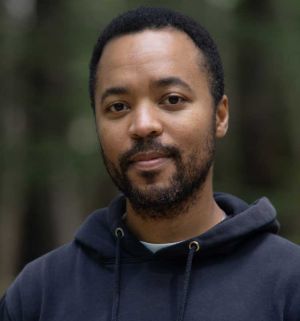
The artist and writer Morgan Quaintance, winner of the 2025 Film London Jarman Award among other acc...
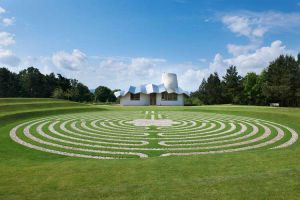
Maggie’s: Architecture That Cares
Celebrating 30 years of the distinctive Maggie’s Centres for cancer care, this exhibition highligh...
Euan Uglow: An Arc from the Eye
His almost scientific methods of observation led Euan Uglow to take months, even years to finish a p...
A look behind the scenes of the travelling exhibition on Berthe Weill
The show celebrating the pioneering Parisian avant-garde gallerist opened in New York before travell...

Hammershøi: The Eye That Listens
A substantial retrospective reveals the mysteries and anomalies of magnetic Danish master Vilhelm Ha...
Barbados Museum & Historical Society challenges narrative around slavery
These two fascinating, interrelated exhibitions – one of a 19th-century Black Barbadian, the other...
Melania Toma explains her interest in collective and interspecies perspectives, her dynamic process,...
Ilana Halperin: What Is Us and What Is Earth
Collaborating with artists, scientists, geologists and nature itself, through her exquisite works, H...
Alberto Greco: Viva el Arte Vivo
The Reina Sofia recovers the art of a queer Argentinian maverick who believed he could turn anything...
The first major museum exhibition of Catherine Opie’s work in the UK charts her career from when s...
British-Nigerian artist Onyeka Igwe is having a busy year. She talks about Our Generous Mother, her ...
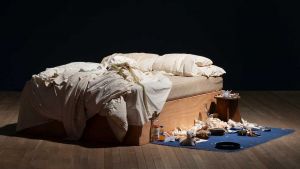
An absolute tour de force celebrates the life – and second life – of an artist who has progresse...
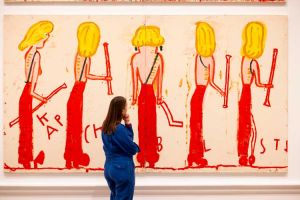
Rose Wylie: The Picture Comes First
Don’t be fooled by the cartoonish depictions, Rose Wylie is constantly finding new ways of thought...

This utterly compelling two-channel video installation visually and aurally reflects the fractured h...
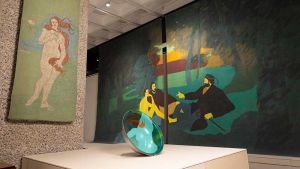
The late Colombian artist Beatriz González’s garish colours and shiny surface belie the violence ...
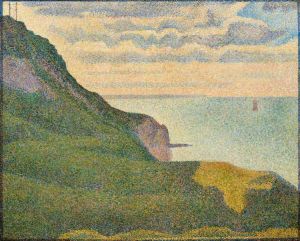
This scholarly exhibition lets the pointillist pioneer Georges Seurat’s lesser-known marine painti...
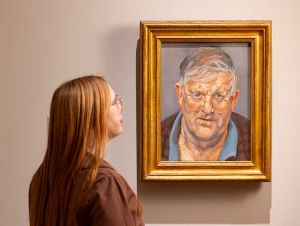
Lucian Freud: Drawing into Painting
The 170 drawings, etchings and paintings on show here not only lend insight into Lucian Freud’s wo...
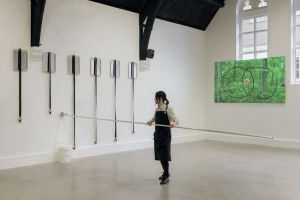
Aki Sasamoto: Grilled Diagrams
In her first institutional solo show in the UK, Aki Sasamoto creates a freewheeling, haphazard narra...
-John-Cook-2025--300.jpg)
Loved by the public for her colourful and humorous paintings of people enjoying themselves, she was ...

Encompassing four solo shows this exhibition challenges our views on climate change, disability, ide...
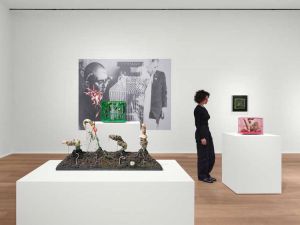
Takesada Matsutani: Shifting Boundaries, and Tetsumi Kudo: Microcosmos
A pair of exhibitions by two Japanese innovators show contrasting approaches to the plastic revoluti...
Cosmos: The Art of Observing Space
Hard science meets soaring imaginations in a show brimming with cosmologically inspired artworks...
Paper Tiger Television: It’s 8:30. Do you know where your brains are?
A poignant exhibition takes us to a lost age of anti-corporate, earnestly intellectual media – wit...
This exhibition spans 50 years, from the now 90-year-old photographer Don McCullin’s gruelling 196...
Bringing together the best of two brilliant collections, this exhibition celebrates modern British p...
Hito Steyerl: Humanity Had the Bullet Go in Through One Ear and Out Throug...
The much-garlanded German artist-essayist Hito Steyerl turns her penetrating gaze to AI, automata an...

Copyright © 1893–2026 Studio International Foundation.
The title Studio International is the property of the Studio International Foundation and, together with the content, are bound by copyright. All rights reserved.
 |
 |
 |
|---|
 Making Art in Paradise. Serizawa: Master of Japanese Textile Design
 Home and Garden: Paintings and Drawings of English Middle Class Urban Domestic Space 1914 to the present
 Gauguin: Maker of Myth
 Ettore Sottsass: Architect & Designer – book review