




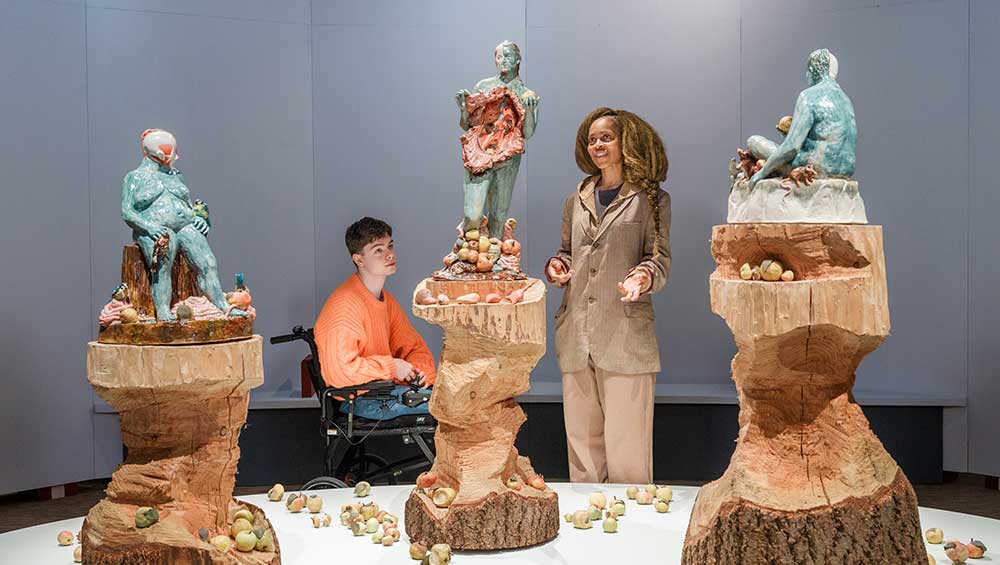
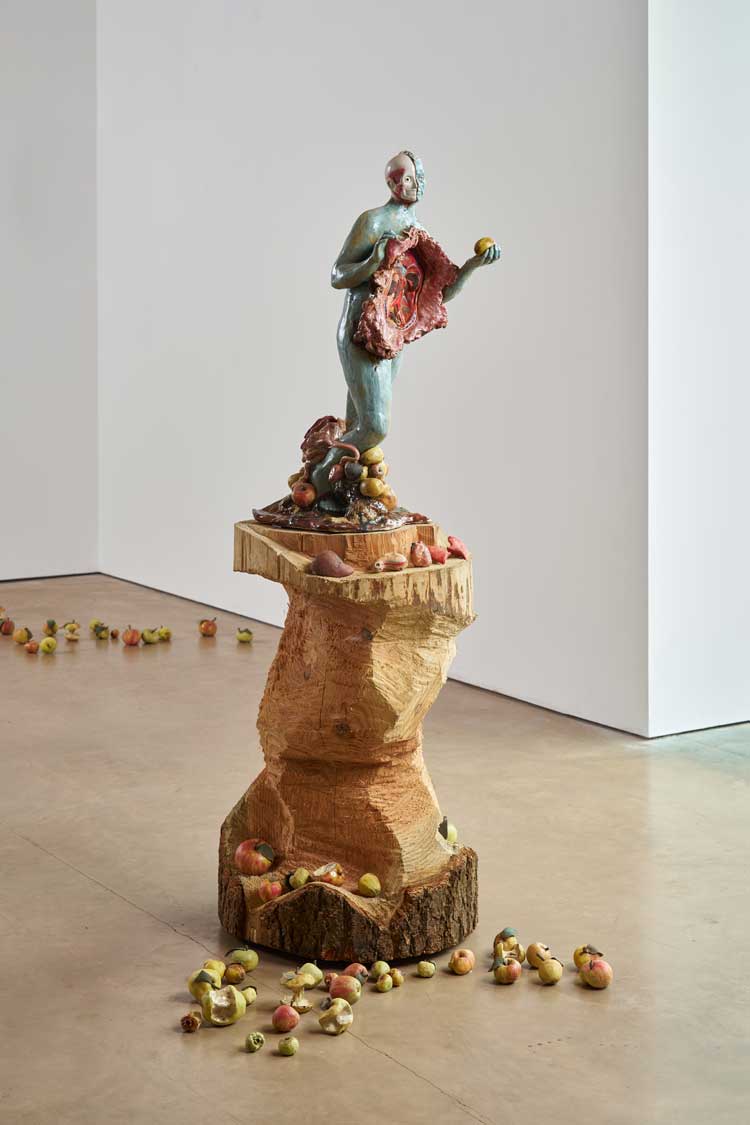
Serena Korda, Wild Apples, 2024, installation view, The Coming of Age, Wellcome Collection, London, 2026. Photo: Steven Pocock / Wellcome Collection.
Wellcome Collection, London
26 March – 29 November 2026
by BETH WILLIAMSON
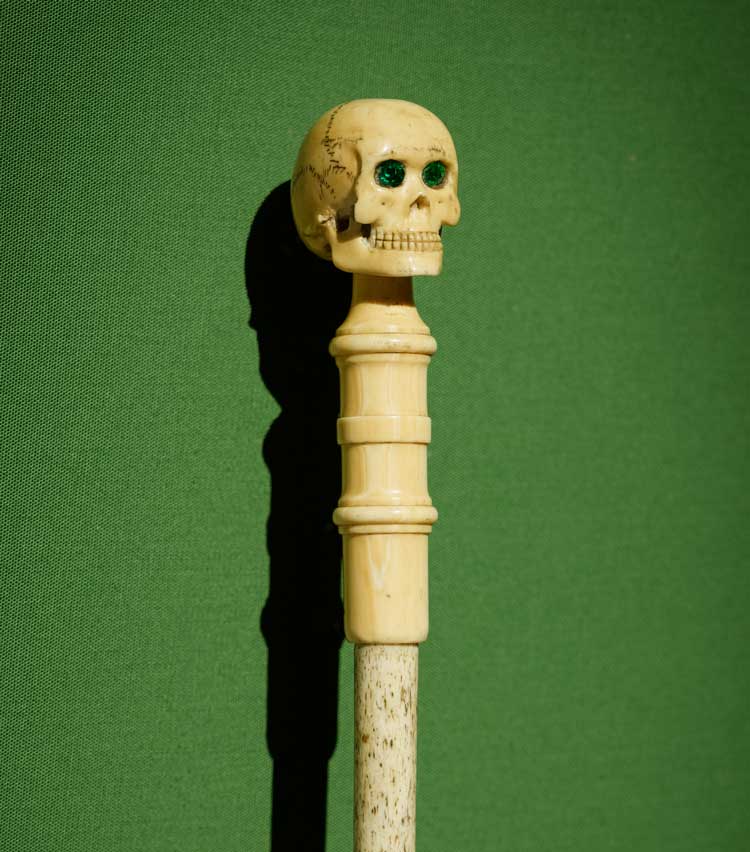
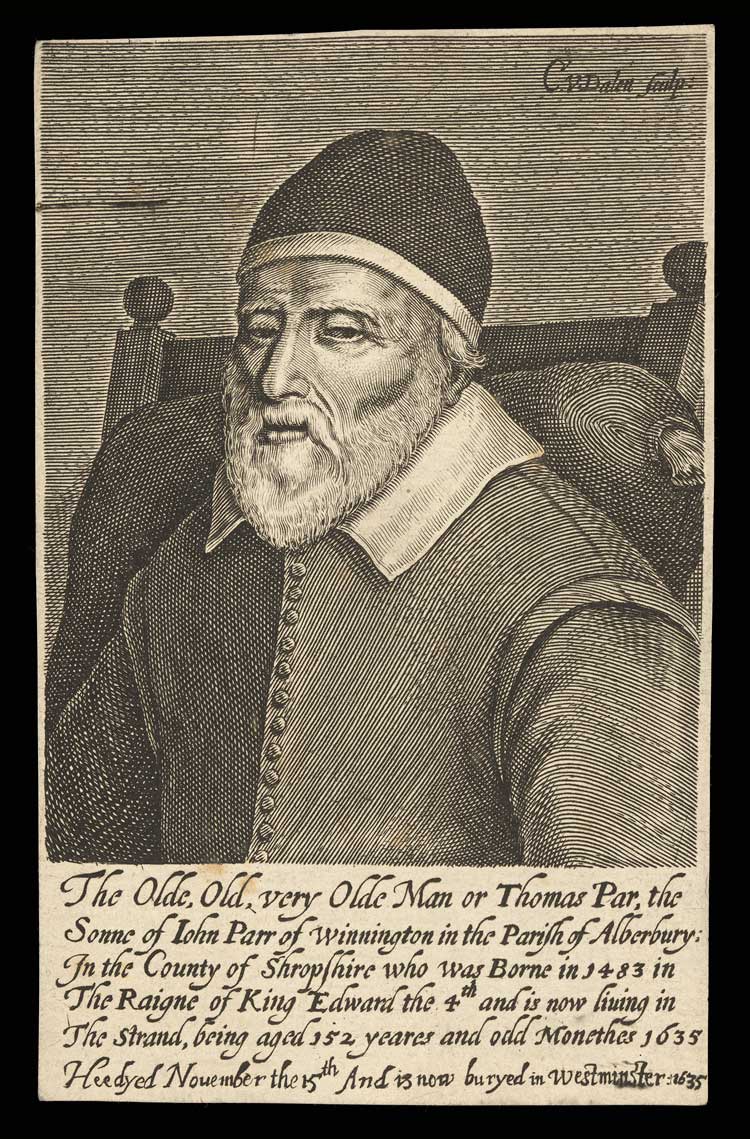
People worldwide are living longer. In December 2020, the UN general assembly declared 2021-2030 as the UN Decade of Healthy Ageing and the World Health Organization was asked to lead the implementation of the initiative. Fostering longer and healthier lives worldwide is not easy and plays out in all sorts of ways. Now, halfway through the UN Decade of Healthy Ageing, the Wellcome Collection’s new exhibition The Coming of Age, explores the experiences of ageing through a variety of viewpoints from art, science and popular culture. The breadth of perspectives from the 1500s to the present day is staggering. While most of the artworks and objects here are from the 20th and 21st centuries, there are some curiosities, such as a walking stick belonging to Charles Darwin from the 1800s and a whiteware ceramic pharmacy jar for containing “syrup of life” (1650-1800). Portraits in a range of media abound, including a line engraving from 1635 by the artist Cornelis van Dalen depicting Thomas Parr, supposedly aged 152.
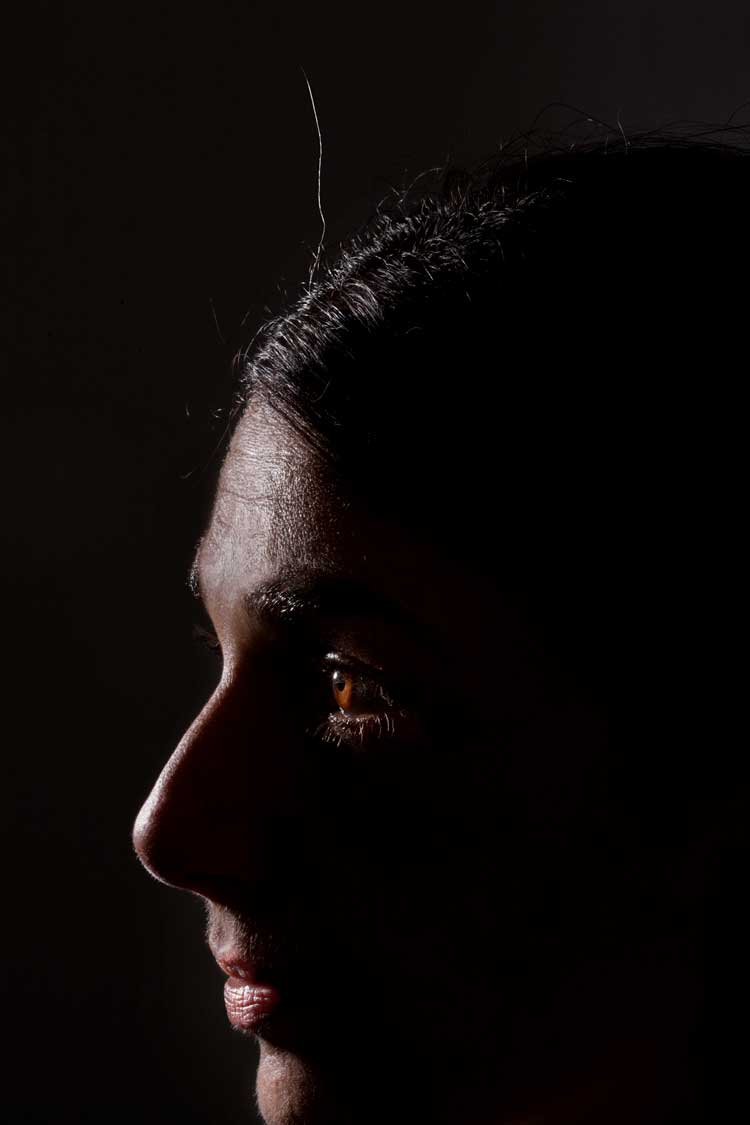
Elinor Carucci, Grey Hair sticking straight up, 2015. 125 cm x 106 cm. Courtesy the artist.
For me, however, it is in the contemporary artworks in this exhibition that the truly imaginative and engrossing perspectives come to the fore. This is where my interest piqued, perhaps because it is all so familiar as I approach my 64th birthday, an older woman with greying hair and the increasing invisibility that seems to come with that. Elinor Carucci’s Gray Hair Sticking Straight Up (2015) captures this experience perfectly. Likewise, as I think about my 85-year-old mother in a nursing home, Paula Rego’s Nursing (2000) is an achingly poignant reminder of how roles reverse and we children care for our ageing parents, one way or another. Should this seem gloomy, self-indulgent, even, I would say that works such as these are to be welcomed as they help us process our experiences and better understand our changing place in the world. Making these things visible is not to mourn time’s passing but to acknowledge and celebrate new roles and experiences as we grow older.
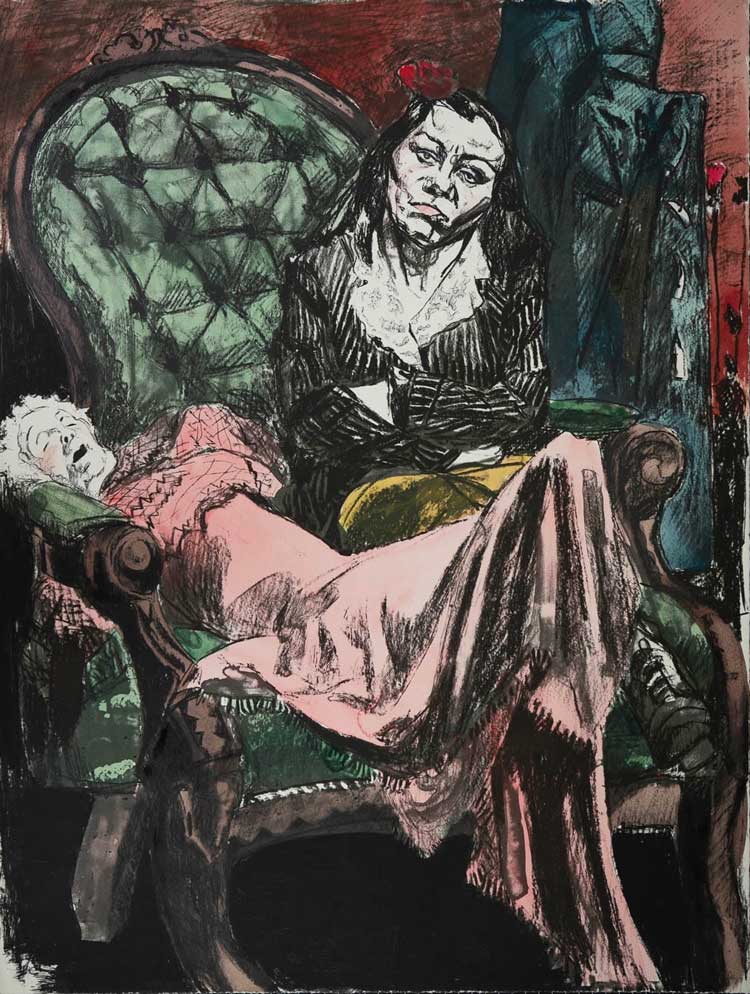
Paula Rego, Nursing, 2000. © The Estate of Paula Rego, Courtesy The Estate of Paula Rego and Victoria Miro.
Serena Korda’s Wild Apples (2014) locates menopause in a space of power. Her crones are wise women who challenge the negative stereotypes and cultural erasure of ageing women. Korda modelled the crones on real women, aged between 44 and 76, from England’s West Country. She explains: “I was looking at perimenopausal, menopausal and post-menopausal women and wanted to show an under-represented side of female beauty.” Each crone figure appears partially dissected, responding to the anatomical models of the 1600s and 1700s, which sexualised the female body. Apples are strewn around the base of the installation, referencing the forbidden fruit, as well as ideas of nature and abundance. An associated sound piece suggests wassailing, an ancient folk gathering to bless apple trees and ensure a good harvest. Together, all of this evokes a powerful and fruitful energy around ageing women and the ideas often associated with them.
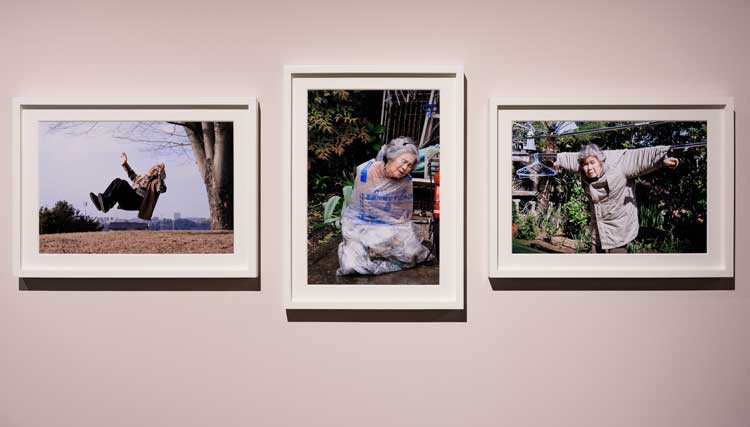
Kimiko Nishimoto, installation view, The Coming of Age, Wellcome Collection, London, 2026. Photo: Steven Pocock / Wellcome Collection.
Kimiko Nishimoto took up photography aged 72. The witty yet surreal photographs of Nishimoto, known affectionately as InstaGran, show how her humour was turned to the service of challenging wider perceptions of ageing. One image shows her as if suspended in the air, in another she hangs from a washing line and in another she is wrapped in plastic, like rubbish. “When you are old, being thrown away is just part of life,” she said. There is a wicked humour at play elsewhere in this exhibition too. In Robert Mapplethorpe’s 1982 photograph of Louise Bourgeois, aged 70, she poses with her sculpture Fillette, a phallic form made of latex, and a mischievous smile stretches across her face. The Singaporean artist known as niceaunties takes a different approach, creating digital and AI works such as Auntiesocial (2023) and 13 Aunties, Mirror into Auntieverse (2025). The works affectionately and humorously explore the auntie archetype, a significant cultural figure in many Asian societies. Wenhui Lim, the artist behind niceaunties, says: “I use AI to build the auntieverse, where the women who raised me rewrite their stories and get to be gloriously, unapologetically free.”
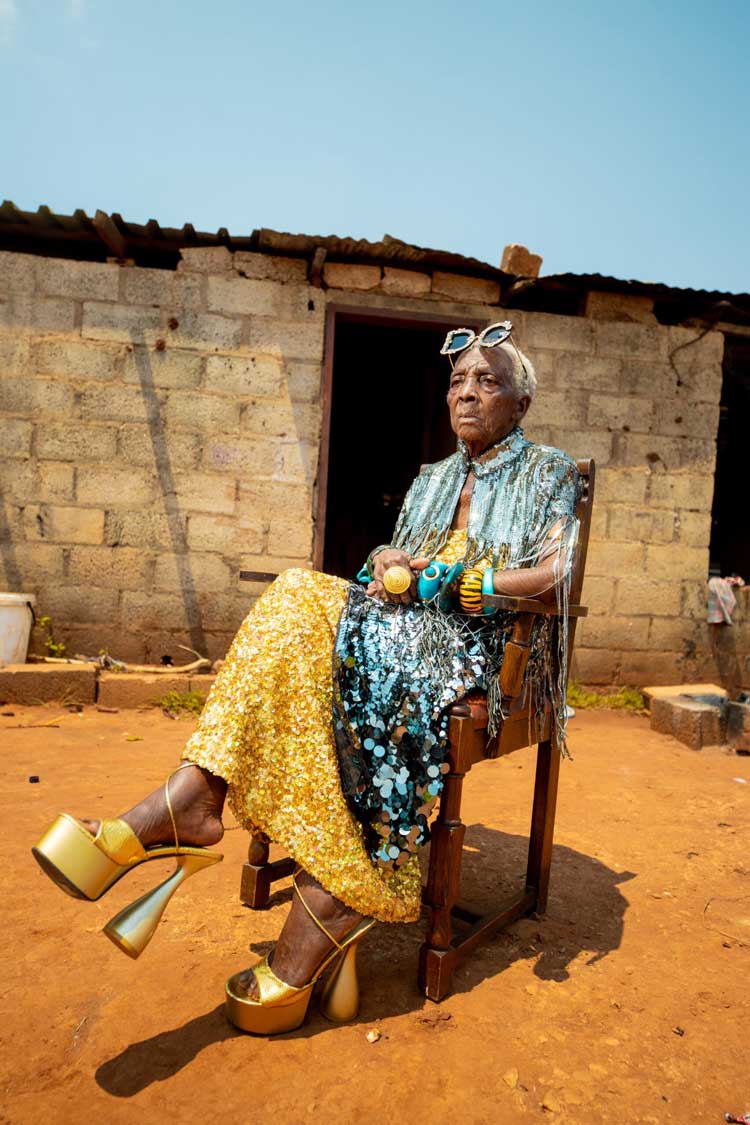
Diana Kaumba, Legendary Glamma – High Fashion in the African Landscape, 2024. The Coming of Age, Wellcome Collection, London, 2026. Photo: Steven Pocock / Wellcome Collection.
Diana Kaumba focuses on grandmothers. The Zambian-born, US-based stylist stages fashion shoots with her mbuya (grandmother), Margaret Chola. The Legendary Glamma fashion series (Legendary Glamma – High Fashion in the African Landscape, 2024) evolved from Kumba’s work with Chola, who is in her 80s. Posing in catwalk clothing on the family farm and its environs, Chola has become a fashion icon.
Other works in the exhibition are more sombre in tone. Two small pastel self-portraits from 2017 by Paula Rego show something of her experience of ageing. The artist rarely made self-portraits but these emerged following a serious fall when she was 81. She said: “I didn’t like the fall … but the self-portraits I liked doing. I had something to show.” It seems that, in some way, her exploration of her self-image at this time, her bruised and swollen face, was a validation of the experience through the boldness of this creative act.
The American artist William Utermohlen painted portraits and self-portraits throughout his career. What is shown in this exhibition is a curious series of drawings and self-portraits made following his diagnosis with Alzheimer’s disease in 1995. They reveal his changes in perspective and spatial sense as the condition developed. A curiously skewed sense of self is increasingly apparent, culminating in the amorphous of Head 1 (August 30, 2000), made the year that Utermohlen lost the ability to paint. His final drawings were made in 2002.
Artist Suzanne Lacy’s Uncertain Futures (2019-24) was a five-year collaborative research project exploring the ways in which unpaid care, work and worklessness affected women over 50 in Manchester. Along with community leaders and academic researchers, Lacy and her collaborators created exhibitions, policy events, conversations, publications, celebrations and films. The film Her Uncertain Future (2024), created at the culmination of the project, explores the inequalities faced by ageing women around work and the associated financial insecurity that inevitably affects how they age. This film, and almost everything you see in this exhibition, is a powerful reminder that it is women, much more than men, who bear the weight of inequality in ageing. Perhaps longevity will eventually change that, but it certainly hasn’t happened yet. The Coming of Age might be considered a clarion call for that change, a change that would surely benefit us all.
Click on the pictures below to enlarge

Copyright © 1893–2026 Studio International Foundation.
The title Studio International is the property of the Studio International Foundation and, together with the content, are bound by copyright. All rights reserved.
 |
 |
 |
|---|

-1000-300.jpg)

 Audrey Amiss: The Surviving Exhibitions
 Jason Wilsher-Mills – interview: ‘Doing art is like cultural national service’
 Grace Ndiritu – interview: ‘Museums hold our collective past and they can hold our future’
 Jo Spence and Oreet Ashery: Misbehaving Bodies
,-James-Wilkes-1000px-300.jpg) James Wilkes: ‘Mind-wandering has became a productive way for us to disrupt that idea of there being rest and the opposite of rest’
James Wilkes: ‘Mind-wandering has became a productive way for us to disrupt that idea of there being rest and the opposite of rest’