Archive
-
Dashiell Manley interview: ‘I approach most projects as if making a film’
Los Angeles-based artist Dashiell Manley talks about The Great Train Robbery, explains why he sees himself mainly as a film-maker, and reveals how he forms his ideas and the processes involved in his complex, layered and thoughtful works
-
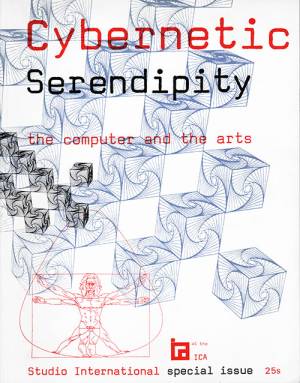
The Digital Revolution and the beginning of New Media Art
From the ICA’s landmark 1968 show Cybernetic Serendipity through Pac-Man and Mario Bros to the latest offering from Will.i.am, the Barbican’s interactive exhibition demonstrates how computers and technological development have changed the face of art
-
Rui Macedo: Memorabilia
In this exhibition, the Portuguese painter Rui Macedo not only questions the historical place of modernism, but visually re-evaluates the history that came before it, playing with perspective, illusion and trompe l’oeil
-
Folkestone Triennial 2014
For the third edition of this bustling summer exhibition, curator Lewis Biggs has invited a selection of internationally renowned and local artists to produce 21 new artworks in response to specific sites across the town
-
rootoftwo: interview
The work of rootoftwo also responds to anxiety, but by measuring social media and people’s response to, and production of, fear on the internet. Five Whithervanes, at locations across town, spin and light up in different colours, according to the…
-
Emma Hart: interview
Emma Hart’s work is full of anxiety. Located in an empty domestic space on Tontine Street, Folkestone, it fills the rooms with outlines of glasses, remnants of a party, and video screens that scream out, both in desolation and invitation.…
-
Pablo Bronstein: interview
Pablo Bronstein, whose Sketches for Regency Living graced the walls of the ICA in London this summer, has brought to life a sculpture based on the ideas of 18th-century architect Nicholas Hawksmoor. Bronstein’s creation is a grey beach hut, next…
-
Jyll Bradley: interview
Jyll Bradley, a native of Folkestone, has returned to the town to create a wonderful homage to the Kentish hop gardens with which she grew up. Her work invites viewers to walk among the strings and green Plexiglas and neon…
-
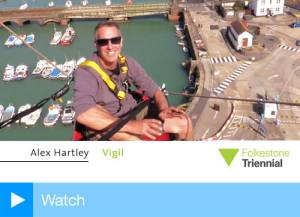
Alex Hartley: interview
Fresh from his incredible journey with Nowhereisland, Alex Hartley speaks to us from his lookout atop the Grand Burstin Hotel. With a vigil being held for the duration of the Folkestone Triennial, we were lucky enough to experience the view…
-
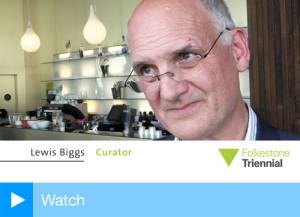
Lewis Biggs: interview
Lewis Biggs is this year’s curator of the Folkestone Triennial, invited to join after 11 years as chief executive and artistic director of the Liverpool Biennial. He was also director of Tate Liverpool from 1990-2000. Biggs speaks to us about…
-
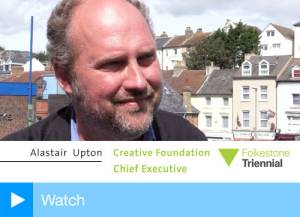
Alastair Upton: interview
Alastair Upton is chief executive of The Creative Foundation, an independent visionary arts charity seeking to rejuvenate Folkestone through creative activity. As well as restoring more than 90 buildings in the Creative Quarter and building the Quarterhouse arts venue, they…
-
Ready or Not: 2014 New Jersey Arts Annual: Fine Art
In its Arts Annual: Fine Art, Newark Museum was true to its roots. A wide array of theses, media and materials by 40 culturally diverse local artists of all ages showed that the museum is sensitive to the times and…
-
Katie Paterson: Earth-Moon-Earth (Moonlight Sonata Reflected from the Surface of the Moon)
Jupiter Artland, Wilkieston, Edinburgh 31 July – 28 September 2014 Katie Paterson’s lunar meditation on music, technology and imperfection reassesses our place in the cosmos and how far art can extend our view
-
Stephen Farthing: interview
Stephen Farthing, Rootstein Hopkins Chair of Drawing, talks to Janet McKenzie about his obsession with finding an adequate definition of drawing – and how digital imaging is changing the way it is taught today
-
Rossetti’s Obsession: Images of Jane Morris
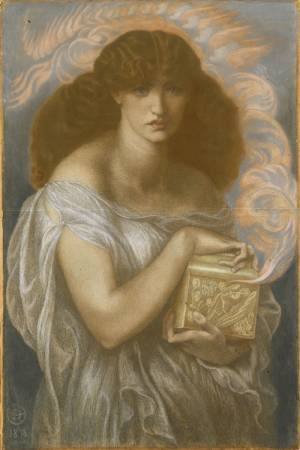
This small but enchanting exhibition of paintings, drawings and photographs of the pre-Raphaelite beauty Jane Morris explores the role she played as the muse of Dante Gabriel Rossetti
-
Primrose: Early Colour Photography in Russia
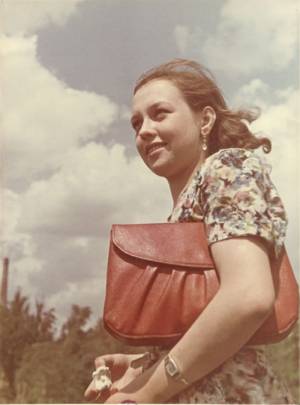
From austere family portraits of the 1860s to Rodchenko’s Stalinist propaganda posters and the subversive underground images of the 1960s and 70s, this elegant Photographers’ Gallery exhibition takes us through a century of Russia’s history
-
Mark Soo interview: ‘The object of observation changes by being observed’
Multimedia artist Mark Soo tells A Will Brown about his interest in the interconnection of elements, how a work of art changes when a passerby looks at it, and how Detroit techno music led him to 19th-century paddlewheel steamships
-
Micro-Events: Tsuneko Taniuchi
Blurring the line between reality and fiction, performance artist Tsuneko Taniuchi tries to change our preconceptions of society through “Micro-Events” that include her dressing as a homeless bag lady and taking part in mass weddings
-
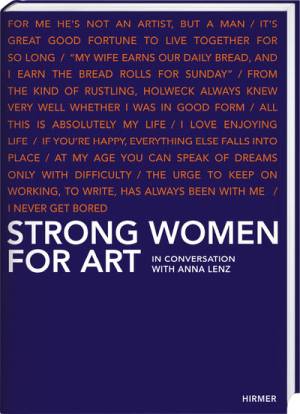
The lives of the women behind the Zero artists
Strong Women For Art: In Conversation with Anna Lenz Published by Hirmer, 2013
-
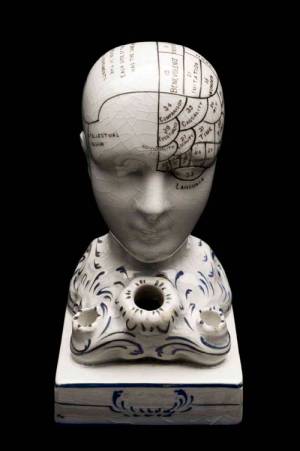
An Idiosyncratic A to Z of the Human Condition
This whimsical interactive exhibition from the Wellcome Collection, with its weird and wonderful objects, guides us through an alphabetical history of medicine, says Kate Tiernan
-
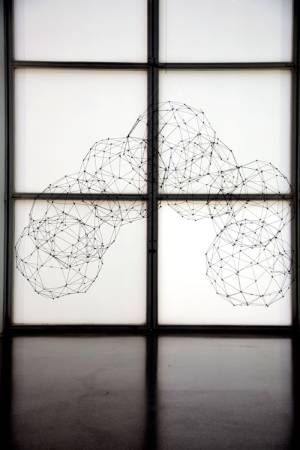
Gego: Line as Object
German-born artist Gego once claimed that sculpture was never what she did, but the Henry Moore Institute is absolutely right in putting on her first UK exhibition, says Anna McNay
-
Ed Atkins: interview
Anna McNay spoke to Ed Atkins about his current exhibition at the Serpentine Sackler Gallery, where his film Ribbons (2014) is showing alongside related installations of text and image
-
Where Were You?
Lisson Gallery continues its minimalist aesthetic with the work of nine artists, five of whom have never shown before in the UK. Kate Tiernan went to view it
-
Lisa Corinne Davis: interview
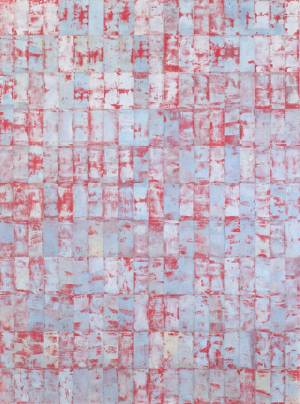
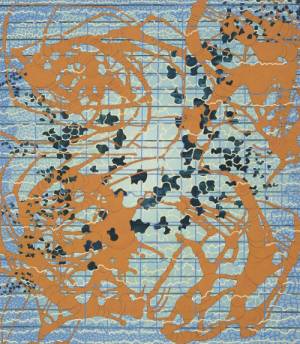
Lisa Corinne Davis talks to Lilly Wei about her multilayered, map-like paintings, the complex relationship between race, culture and history, and her hope that her work will challenge preconceived notions of identity