Intersection: International Art and Culture Arthur M Sackler Museum of Art and Archaeology at Peking University, Beijing 27 May – 27 August 2018
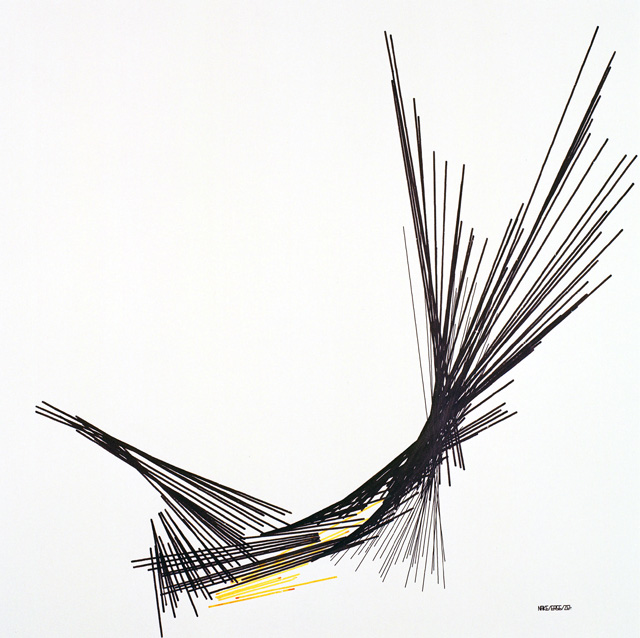
Frieder Nake’s work 12/7/65 No. 2, 1965 is a pioneering example of computer art in which the image is wholly machine-generated. It has “zero meaning”, he likes to say, even if somewhat ironically.
A series of black lines in a kind of sheaf is a reminder of the simple, if groundbreaking beginning of the genre, a far cry from what can be done today.
Frieder Nake. 12/7/65 No. 2, 1965. ‘Random bundles of straight lines’, computer-generated automatic drawing, 72 x 59 cm.
Interview by LILLY WEI Filmed by MARTIN KENNEDY
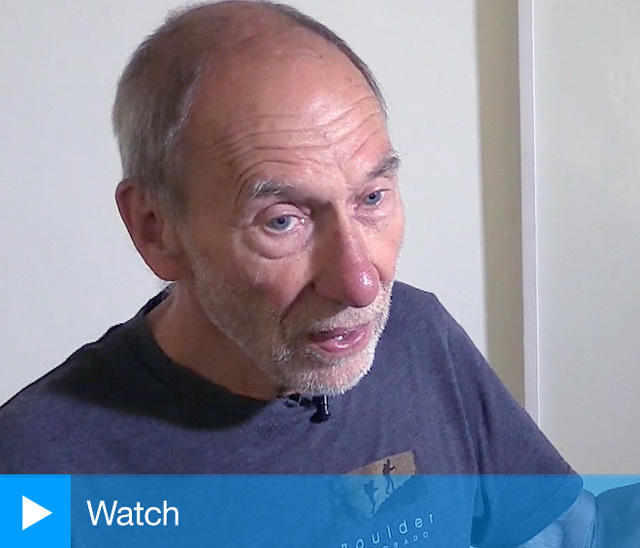
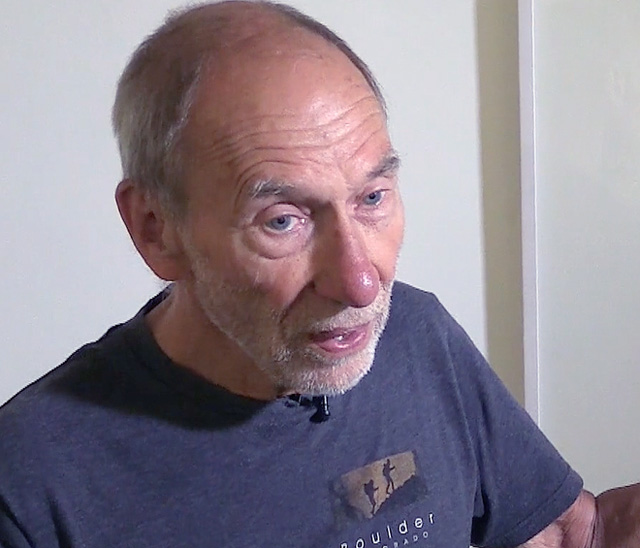
Frieda Nake talking to Studio International at the opening of Intersection: International Art and Culture, Arthur M Sackler Museum of Art and Archaeology at Peking University, Beijing, 27 May 2018. Photograph: Martin Kennedy.Frieda Nake talking to Studio International at the opening of Intersection: International Art and Culture, Arthur M Sackler Museum of Art and Archaeology at Peking University, Beijing, 27 May 2018. Photograph: Martin Kennedy.
Two concurrent exhibitions bring special collections into broader spaces of circulation, highlighting print’s enduring role as a medium of collective expression and firmly placing a new era of zine-making and independent, small-press publishing within a radical multigenerational continuum
Jones, the curator behind the Los Angeles Museum of Art’s much-anticipated exhibition of early works from the computer age, explains her vision for the project
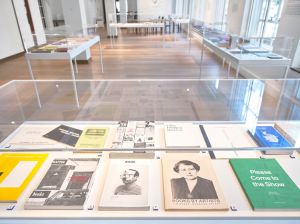
Poet, typographer and publisher Hansjörg Mayer and the computer art pioneer Frieder Nake talk us through this major exhibition of Mayer’s works from concrete poetry to radical typography to artists’ publications
In a riveting, large-scale work called Moss Ball: A Meditation on the Overview Effect (2018), E.V. Day makes some unlikely, and therefore all the more intriguing, connections